
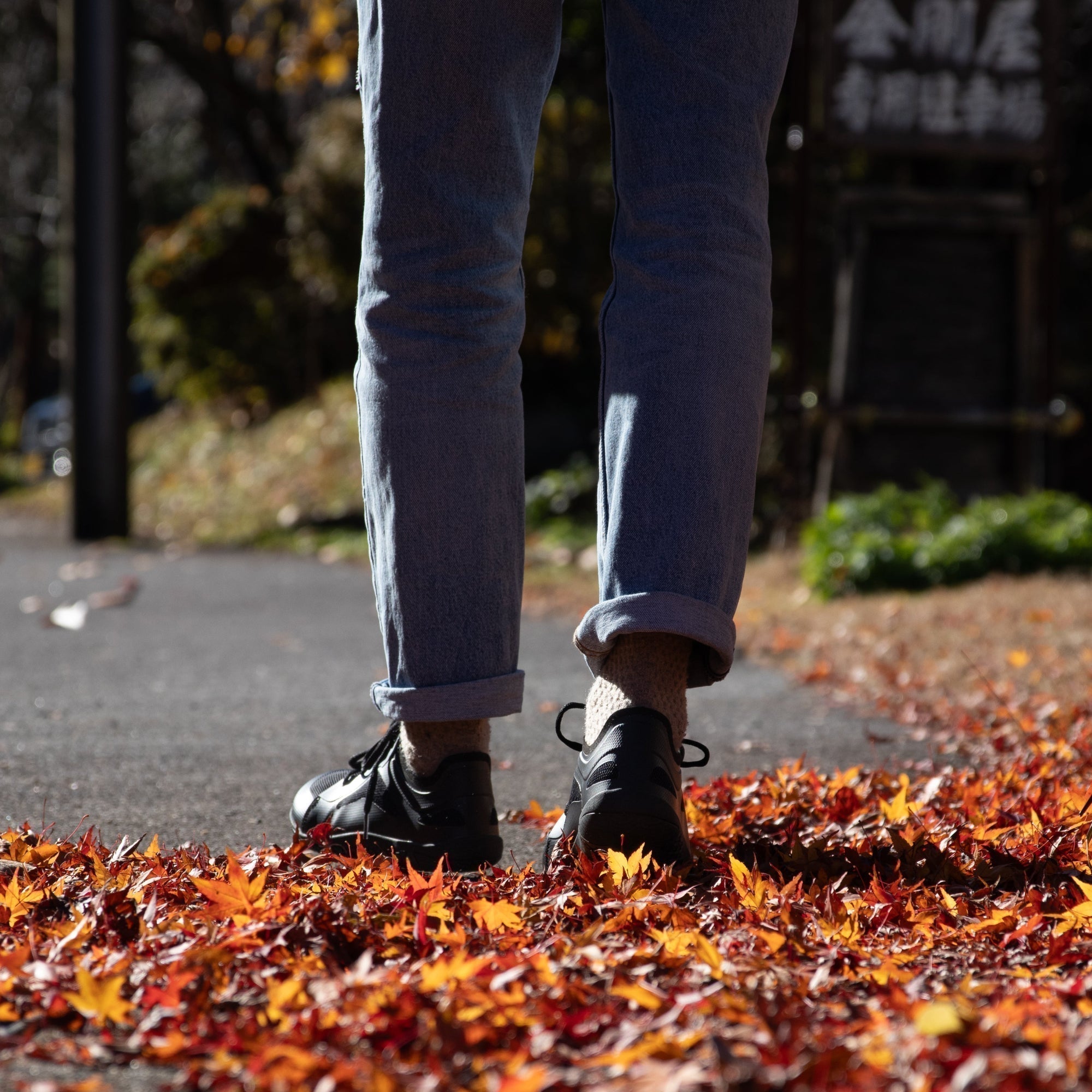
Running is supposed to be the uncomplicated one. It needs no equipment, no technique to master, and no expensive gear separating beginners from everyone else. Just legs, ground, and forward momentum. And yet somehow the footwear industry has made it one of the most confusing purchasing decisions in sport. It's a lot for something that was working fine before any of it existed.
What Barefoot Running Shoes Are Actually Trying to Do
The name puts people off because it sounds either extreme or gimmicky, depending on your disposition. It's neither. These shoes still have soles. They still protect your feet from the road, the trail, the stray piece of gravel that would ruin your morning otherwise. What they don't do is pile on the additional layers of structure, correction, and cushioning that conventional running shoes treat as standard.
The philosophy is simple: your foot already knows how to run. It's been doing it for the entirety of human history without foam technology. The question barefoot design asks is whether all that intervention is actually helping, or whether it's just become an industry habit.

Thin, flexible soles. A toe box that doesn't compress your foot into a narrow wedge. No interference with your natural landing pattern. Ground feel without ground damage. That's the whole brief.
The First Run Feels Weird. That's Normal.
Anyone who tells you the switch to minimalist running shoes is seamless is either blessed with unusually adaptable feet or not being entirely straight with you. The first run feels strange. Not painful, just different in a way you can't immediately place. You're suddenly very aware of your feet. The way each one lands, the texture of the surface, the slight adjustments your stride makes in real time. After years of thick soles absorbing and muffling all of that, it's a lot of new information arriving at once.
Your cadence shifts slightly. The heavy, stomping heel-strike that cushioned shoes quietly encourage tends to fade. This is because without a thick heel to land on, it simply doesn't make sense anymore. It takes a few weeks to stop feeling like an adjustment and start feeling like the default. But most people who stick with it find the transition point clearly, the run where it stops feeling like effort and starts feeling like how running should have been all along.
Zero Drop: The Small Detail With a Surprisingly Large Impact
Most running shoes have a raised heel. Not dramatically, usually somewhere between 8mm and 12mm of height difference between heel and toe. It doesn't sound like much, but it subtly pitches your body forward and changes where your weight lands with every step.

Zero drop running shoes remove that elevation entirely. Heel and forefoot at the same height, your body on a genuinely flat base. The postural effect is noticeable quite quickly. Your hips sit differently. Your weight is distributed more evenly. The forward lean that built up over years of heeled footwear starts to unwind. None of this requires you to consciously "correct" anything. It just happens when the tilt is no longer there, pushing you into it.
For runners who've dealt with knee or hip niggles without a clear cause, zero drop is often the variable worth investigating first.
The Toe Box Problem Nobody Talks About Enough
Pick up most running shoes and look at them from above. They're widest somewhere around the ball of the foot and then taper noticeably toward the front. Now look at an actual human foot. It doesn't do that. The gradual compression of toes into a narrowed front has become so standard that most runners accept it as part of the deal. Barefoot running shoes typically offer a wider toe box. It is not bizarre-looking foot-shaped footwear, just enough room for your toes to spread naturally when they're bearing weight.
The functional difference during a run is real. Better balance, better push-off, a more stable base. Your foot works as a whole rather than a slightly bunched collection of toes doing their best in the space available.
They're Not Just for Running, Either
Zero drop running shoes work well on recovery days, easy walks, and general daily wear, especially if you've already made the switch to minimalist shoes for everyday use and want your running footwear to match the same principles. There's no rule that says barefoot running shoes stay in the gym bag. A lot of people end up wearing them more broadly once they've adapted, simply because going back to the elevated, structured alternative starts to feel like unnecessary interference.
The Honest Summary
Modern running shoes solved some real problems and then kept going, adding features to justify price points and category differentiation until the average trainer became a fairly complex piece of engineering for an activity that fundamentally requires you to move forward repeatedly. Barefoot running shoes are a pushback against that trajectory. Not a rejection of all footwear progress, but a question worth asking: how much of this is actually helping, and how much is just... there?