
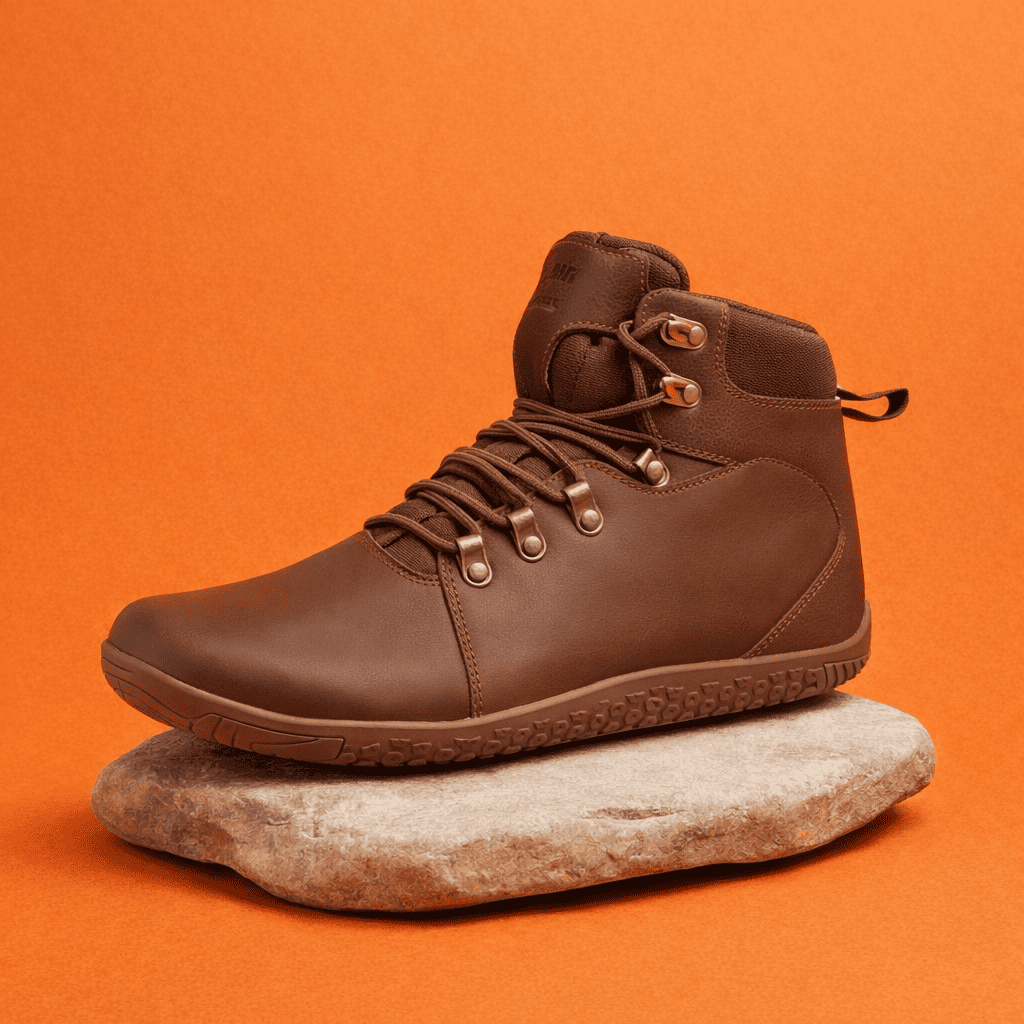
Most people switching to barefoot footwear are coming from a different world. They mostly already own too many shoes that don't quite meet their needs. So let's understand how Barefoot ticks all the checklist needs in one go!
The Gym is First, Because It Surprises People
Nobody really talks about barefoot training shoes as much as they should. The running and walking conversation gets all the attention, and the gym case sits quietly being correct without anyone noticing.
Cushioned gym trainers feel stable. They're not. A thick, compressible sole shifts slightly under load, and that shifting is exactly what you don't want when you're at the bottom of a squat or pulling something heavy off the floor. Your body feels it and compensates, usually by adjusting your position in ways that aren't ideal, and it does this so automatically that most people don't even register it's happening.

Barefoot training shoes put you on a flat, firm surface. Your feet spread under load the way feet are actually supposed to, and the feedback from the ground goes directly to the muscles and joints that need it. Proprioception is the technical word. "Feeling what your feet are doing" is the practical version.
The wide toe box matters more in the gym than anywhere else, honestly. Under load, your toes grip. They can't grip if they're squeezed together.
Most people notice a difference within two or three sessions. Some notice it on the first day.
Walking is Where People Underestimate the Problem
Britain is a country that walks. Commutes, high streets, parks, pavements that are wet for about nine months of the year and briefly lovely for the other three. And most people are doing all of that walking in shoes that quietly encourage a heel-strike pattern, their bodies weren't designed to sustain all day.
The cushioning doesn't help. That's the counterintuitive bit. All that padding absorbs impact, yes, but it also means your foot isn't learning anything about how to land properly. The calf switches off. The arch stops doing its job. Everything just gets carried along on a platform, day after day, and the foot gradually forgets what it's for.
Barefoot walking shoes fix this slowly. After a few weeks of actually using your feet properly, most people find they're less tired at the end of the day. Feet that are working tend to ache less.
Even, they have a great grip on wet surfaces. It's what makes the whole thing usable on a typical November Tuesday in the UK, which is when you actually need it most.
Running is Genuinely a Separate Conversation
Running asks more of the foot than walking does, and the barefoot transition reflects that.
Are you an occasional runner? Do you try to maintain your usual weekly mileage straight away and end up injured a month later? Well, your foot muscles have been on holiday inside conventional trainers for years. They need time when you switch.
Barefoot running shoes in the UK also need to handle genuinely unpredictable conditions. A sole that works on dry trail and turns slippery on wet leaves is about as useful as a waterproof jacket with no hood. Seasonal British weather is not an edge case. It's the default.
So. One Pair Or Three.
Training and walking overlap more than people expect. The requirements are similar enough that a single well-chosen pair genuinely handles both without asking you to compromise on anything that matters.
Running is where a dedicated pair earns its place. Not because the everyday shoe is wrong, but because the demands over distance and impact are specific enough that the crossover eventually runs out.
Start with one pair. Use it properly. See what it can't do. That's when the second pair makes sense, and not a moment before.