
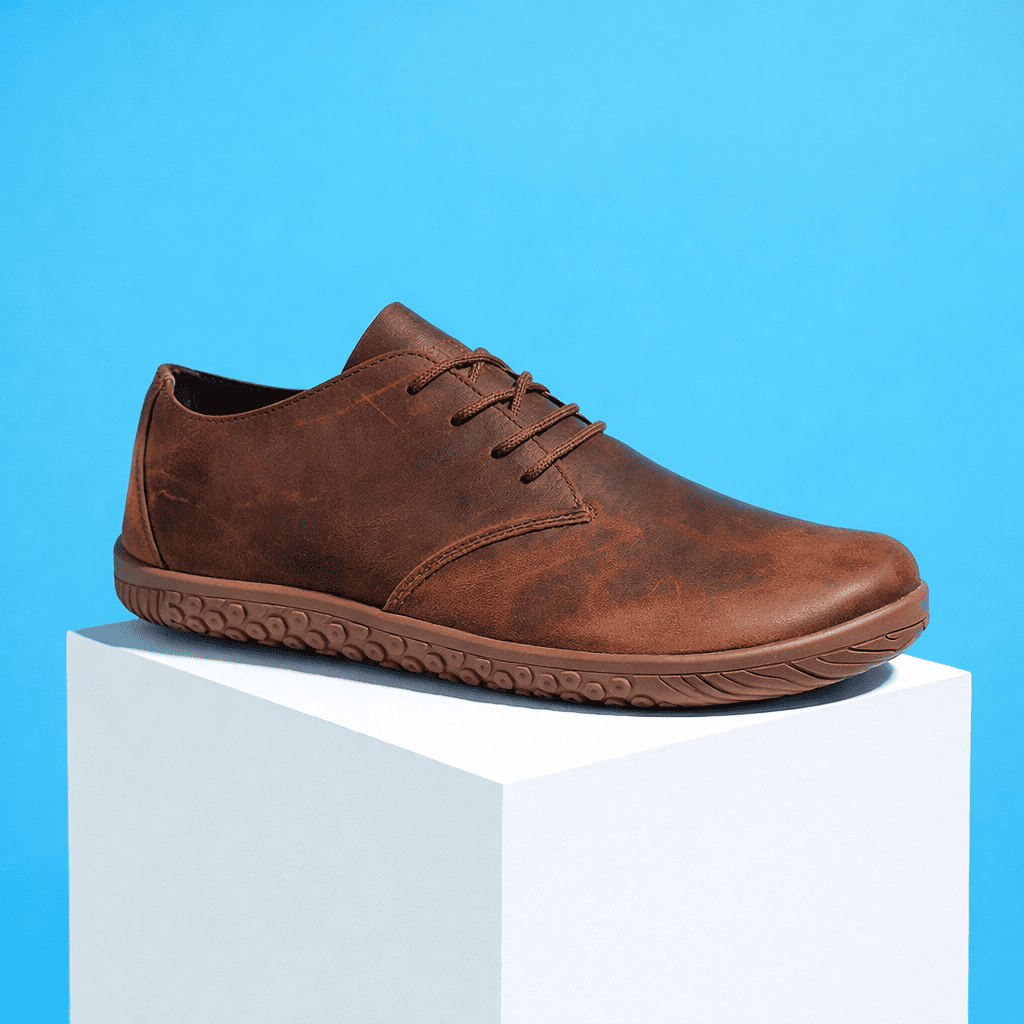
Walking around town is very different from walking on a country trail. Paved path beside the road are hard and even, while outdoor paths can have stones, mud, grass, tree roots, and slopes. Your shoes need to deal with all of these surfaces. This is a situation where outdoor barefoot shoes might work really well for you. They are made to give your feet more room to move while still protecting them from the ground. They can work well for everyday walks, trips outdoors, and some types of hiking.
What Are Outdoor Barefoot Shoes?

Outdoor barefoot shoes are designed to let your feet move in a more natural way. They usually have a wide toe box, a zero-drop sole, a flexible outsole and a lightweight design. The wide toe box gives your toes more space instead of squeezing them together. The zero-drop sole keeps your heel and toes at a similar height. A flexible sole also allows the shoe to bend as your foot moves. Most outdoor barefoot shoes are lighter than traditional hiking boots too. They still give your feet protection, but without the heavy and stiff feel that some outdoor shoes have.
Why Choose Barefoot Shoes for Outdoor Adventures?
Outdoor walking often means dealing with uneven ground. You might walk over grass, gravel, small rocks or a sloping path during the same trip. A flexible shoe allows your feet to move as the ground changes. Some people also like the extra feel of the surface underfoot, as it can make walking feel more natural. Weight is another factor to consider. Lightweight outdoor barefoot shoes can feel easier to wear during a long day outside, especially when you're travelling, sightseeing or walking with family and friends.
The extra room around the toes can make a difference too. If you don't like shoes that feel tight at the front, a wider shape may feel much more comfortable.
Are Outdoor Barefoot Shoes Good for Hiking and Trails?
They can be, but it really depends on the type of trail. A quiet woodland path is not the same as a steep, rocky mountain route. Before choosing your shoes, think about where you normally walk and what the ground is like. For easier walks, barefoot shoes for hiking can be a useful choice when they have good grip, a flexible sole, and a secure fit. For rougher trails, you may want more protection under your feet. Sharp rocks, loose gravel and wet surfaces can be harder to handle, so check the outsole and tread carefully.
The same goes for trail barefoot shoes. Look at the grip, sole thickness, and overall build before buying. The right pair should suit the terrain, not just look like a hiking shoe.
What Should You Look for When Choosing Outdoor Barefoot Shoes?

There are a few important things to check before choosing a pair. First, look at the toe box. Your toes should have enough room to move without rubbing against the sides. Next, check the sole. A zero-drop design keeps the heel and front of your foot at the same level, while a flexible sole allows easier movement. Good grip is important for outdoor use. Look for a tread that matches the surfaces you walk on. This is especially useful on wet grass, muddy paths, and loose ground. You should also think about the weather. Water-resistant shoes can be handy for light rain, while waterproof footwear may be better for regular rainy-weather walks. Breathable materials can help on warmer days, particularly when you're walking for several hours.
Finally, make sure the shoes fit properly. Your heel should feel secure, but your toes should not feel cramped.
Outdoor Barefoot Shoes for City Walks, Hiking and Everyday Adventures
You don't have to go hiking every weekend to enjoy outdoor barefoot shoes. Some pairs are suitable for everyday life as well. You could wear them for your morning walk, a trip into town, a day of traveling or a weekend in the countryside. The right style can easily fit into a busy routine.
Of course, different shoes suit different needs. Someone who mostly walks on pavements may prefer a lighter and more breathable pair. Someone who spends more time on trails may need stronger grip and extra protection. When looking at the best outdoor barefoot shoes, think about where you will wear them most often. Consider the surfaces, weather, and type of walking you usually do.
A good pair of shoes should give your feet enough space and freedom, let them move comfortably, and provide the protection you need for the places you enjoy walking.